
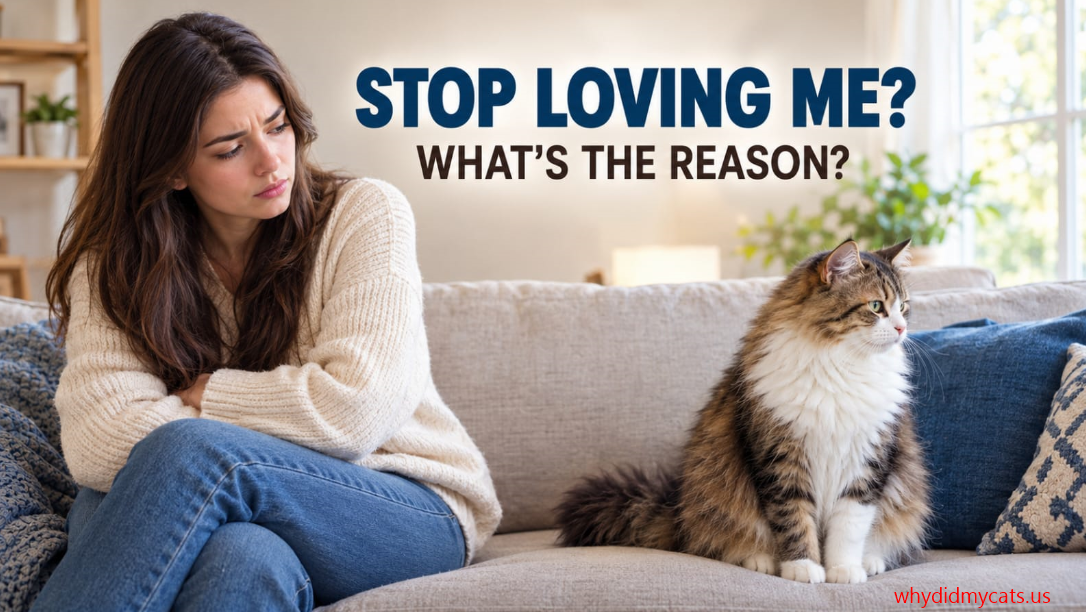
Your cat used to greet you at the door, curl up beside you on the couch, or sleep near you at night. Now, they walk away when you approach or spend more time hiding under the bed. That change can feel personal, but it doesn’t automatically mean your cat has stopped loving you.
Cats change their behavior for many reasons, including stress, changes at home, discomfort, and a growing need for personal space. Understanding what has changed can help you respond in a way that makes your cat feel safe.
Can Your Cat Stop Loving You?
Cats don’t express affection exactly as people do. One cat may show attachment by sitting in your lap, while another prefers to stay in the same room or greet you briefly before going off to nap.
A cat who suddenly avoids petting or stops sleeping beside you isn’t necessarily rejecting you. However, a noticeable change from their usual behavior deserves attention, especially when it happens quickly or comes with other symptoms.
7 Possible Reasons Your Cat Seems to Have Stopped Loving You
1. Your Cat Wants More Personal Space
Some cats enjoy affection on their own terms. Your cat might happily sit beside you but leave when you pick them up or pet them for too long. As cats mature, their preferred level of physical contact can also change.
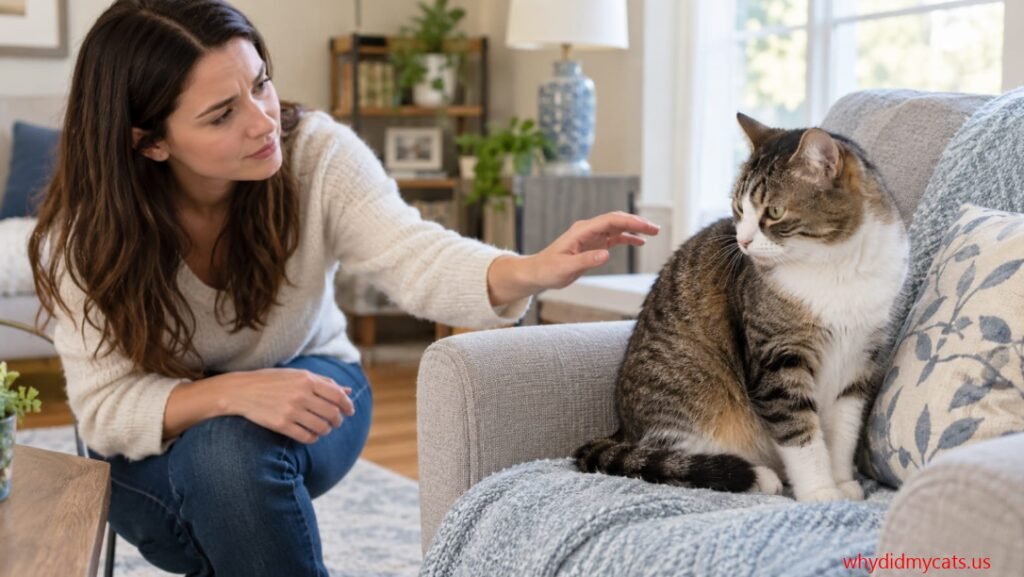
Let your cat choose when to approach. Repeatedly following them, lifting them, or insisting on cuddles can make interaction feel stressful rather than comforting.
2. Something Has Changed at Home
Cats rely on familiar surroundings and routines. Moving to a new apartment, bringing home a baby or another pet, hosting frequent visitors, or changing your work schedule can leave a cat feeling unsettled.
Even moving the food bowl or litter box to a different location can affect how comfortable they feel. Keep meals and playtime predictable, provide quiet hiding spots, and give your cat time to adjust.
3. Your Cat Has Become Wary of You
A cat may start avoiding someone after being startled, handled roughly, or repeatedly forced into an unwanted interaction. Necessary experiences such as nail trimming, giving medication, or a stressful trip to the vet can also temporarily affect how comfortable a cat feels around its owner.
Don’t punish your cat for hiding, hissing, or walking away. Use a calm voice, respect their boundaries, and let positive interactions happen at their pace.
4. Your Cat Is Stressed or Afraid
Loud noises, unfamiliar people, conflict with another pet, or a neighborhood cat visible through the window can make a cat feel unsafe. A stressed cat may hide more, avoid shared spaces, or become unusually defensive when approached.
Give your cat a secure resting place and make sure other pets or children aren’t disturbing them there. If the behavior continues, look for the source of stress rather than trying to force your cat to socialize.
5. Your Cat’s Age or Preferences Have Changed
A playful kitten may grow into a more independent adult. An older cat may also become less interested in jumping onto your lap or climbing onto a high bed.
Adjust your expectations to your cat’s current needs. Easy-to-reach resting spots and gentle interaction can help. If an older cat suddenly avoids being picked up or stops jumping onto familiar furniture, don’t assume age alone explains it; pain could be involved.
6. Your Cat May Be Sick or in Pain
Cats often hide discomfort. A cat who no longer wants to be touched, withdraws from family members, or becomes unusually irritable may be feeling unwell rather than losing affection.
Watch for other changes, such as eating less, moving stiffly, grooming less, vomiting, or changes in litter-box habits. Contact your veterinarian promptly for a sudden, unexplained behavior change, especially when other symptoms appear. Seek urgent veterinary care for severe distress, difficulty breathing, collapse, or difficulty passing urine.
7. Your Cat Shows Affection Differently
Your cat may still feel connected to you without cuddling as much as before. They might follow you from room to room, sit nearby while you work, blink slowly at you, or rest where they can see you.
These behaviors can be signs of comfort, but no single behavior proves exactly how a cat feels. Look at the overall pattern: whether your cat seems relaxed around you, chooses to spend time nearby, and continues their usual eating, playing, and resting routines.
What Are the Signs Your Cat May Be Pulling Away?
You might notice your cat leaving when you enter a room, avoiding touch, hiding more often, or no longer greeting you as usual. Hissing, swatting, or growling when approached can signal fear, discomfort, or a desire for space.
One behavior alone doesn’t prove that your cat dislikes you. What matters is whether the behavior is new, how often it happens, and whether your cat’s daily routine or health has changed too.
For comparison, a cat who wants extra attention may show the opposite pattern. Read Why Did My Cat Become So Clingy? Causes & Help to learn more about changes in attachment and attention-seeking behavior.
Why Did I Stop Loving My Cat?
Sometimes the change is in the owner’s feelings rather than the cat’s. Caring for a pet while managing work, family responsibilities, financial pressure, or sleep loss can become overwhelming. Repeated behavior problems, such as nighttime meowing or litter-box accidents, can also strain the bond.
Feeling frustrated or less affectionate doesn’t make you a bad pet owner. Start by identifying what’s making care difficult and which practical changes could help. A more manageable routine, support from someone you trust, and guidance from your veterinarian for ongoing behavior problems can make a difference.
If you feel disconnected from your cat, you can still work toward a healthier relationship without forcing yourself to feel a certain way immediately.
How Can You Rebuild Your Bond With Your Cat?
Start with small, predictable interactions rather than trying to restore the old routine all at once.
- Let your cat approach you. Sit nearby, speak gently, and avoid reaching for them when they move away.
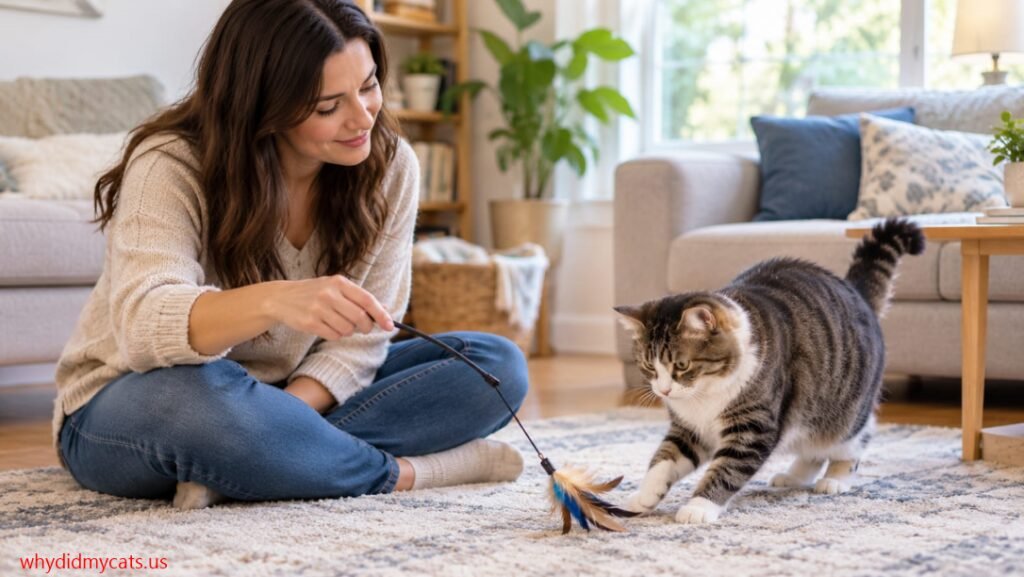
- Use play to reconnect. Try a wand toy for a few minutes, allowing your cat to chase and catch it.
- Keep routines steady. Offer meals, fresh water, clean litter, and playtime on a consistent schedule.
- Reward calm interactions. Offer a treat when your cat voluntarily comes near, provided they are comfortable taking it.
- Respect their boundaries. Stop petting when your cat turns away, flicks their tail, flattens their ears, or seems tense.
If your cat’s behavior changed suddenly, arrange a veterinary check before treating it as a relationship problem. Once medical concerns are addressed, your vet can help you decide whether environmental changes or a qualified feline behavior professional would be useful.
You can also read Why Did My Cat Become Affectionate? 7 Possible Reasons to explore the other side of changes in your cat’s affection.
When Should You Contact a Veterinarian?
Arrange a veterinary appointment when your cat becomes withdrawn or less tolerant of touch without an obvious explanation, particularly if the change persists or worsens. Reduced appetite, unusual grooming, stiffness, changes in drinking, or litter-box problems make a checkup even more important.
Your veterinarian may ask when the behavior began, review your cat’s eating and bathroom habits, and perform a physical examination. Depending on the findings, they may recommend additional tests to look for pain or illness. Avoid assuming the problem is emotional until health concerns have been considered.
Frequently Asked Questions
Why did my cat suddenly stop being affectionate?
A sudden change in affection can follow stress, a change in routine, fear, or discomfort. Think about recent changes at home, but don’t overlook health problems. If your cat suddenly avoids touch or withdraws from the family, contact your veterinarian to check for pain or illness.
How do you know if your cat stopped loving you?
You can’t reliably measure a cat’s love by cuddling alone. Your cat may spend less time in your lap but still choose to rest nearby or follow you around. A new pattern of hiding, fear, or avoiding touch is more useful as a sign that something needs attention.
How do I get my cat to cuddle with me again?
Make time together feel safe rather than compulsory. Sit quietly nearby, offer a favorite toy or treat, and let your cat decide whether to approach. Avoid picking them up or holding them in place. Some cats return to cuddling, while others prefer showing affection without close physical contact.
Why do I suddenly not like my cat?
Stress, exhaustion, financial pressure, disrupted sleep, or ongoing behavior problems can affect how you feel about caring for a pet. These feelings don’t automatically mean your bond is permanently damaged. Identify what’s overwhelming you, seek practical support, and talk with a veterinarian about behavior problems that are making daily care difficult.
Do cats say goodbye before they leave?
Cats don’t have a reliably established way of saying goodbye before they die or leave home. A cat that becomes quiet or seeks solitude could be responding to stress, illness, or a need for rest. If your cat is withdrawing unexpectedly, contact a veterinarian instead of assuming the behavior means goodbye.
Is it normal to not want your cat anymore?
Feeling overwhelmed or disconnected from a pet can happen, especially during stressful periods or when difficult behavior continues. Take those feelings seriously without judging yourself. Ask someone you trust for help, discuss behavior concerns with your veterinarian, and make a realistic care plan that protects your cat’s welfare.
Conclusion
When your cat seems to stop loving you, don’t assume your bond is gone. Changes in routine, stress, personal preferences, and health can all affect how a cat behaves. Give your cat space, rebuild positive interactions gradually, and contact your veterinarian when the change is sudden or accompanied by other symptoms.