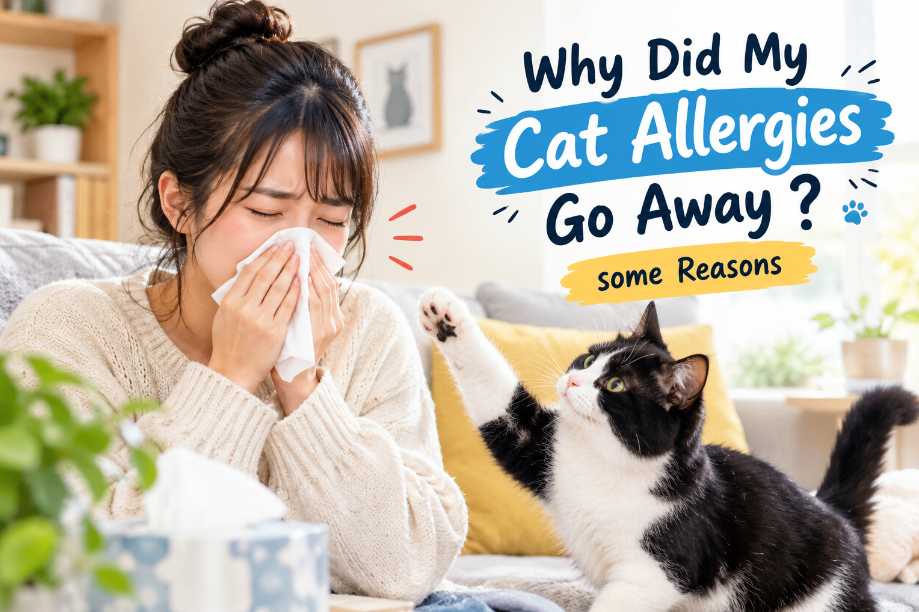
Did you used to sneeze, get itchy eyes, or develop a stuffy nose around your cat, but those symptoms have suddenly disappeared? You might be able to cuddle your cat without the reaction you once experienced.
Cat allergy symptoms can improve over time, but that does not always mean the allergy itself has disappeared. Changes in your environment, exposure to allergens, treatment, and your immune system can all affect how you feel around your cat.
Here are seven possible reasons your cat allergies went away and what to know if the symptoms return.
7 Reasons Your Cat Allergies May Have Improved
1. Your Immune System’s Response Has Changed

Cat allergies happen when your immune system reacts to proteins found in a cat’s skin flakes, saliva, and urine. One well-known cat allergen is a protein called “Fel d 1”.
Your body’s response to allergens can change over time. You might notice fewer symptoms even though your cat still produces the same types of allergens.
This improvement is real, but it does not necessarily mean your immune system has stopped recognizing cat allergens.
2. You Are Exposed to Fewer Cat Allergens
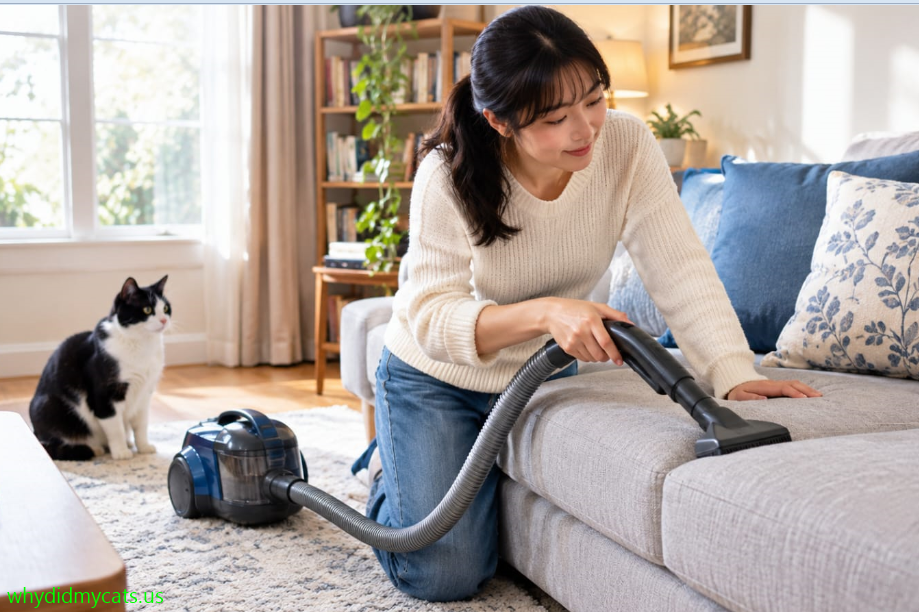
Think about what has changed in your home recently. Perhaps your cat no longer sleeps on your pillow, you have started vacuuming more frequently, or you moved into a home with less carpeting.
These changes can reduce the amount of allergen you encounter. Cat allergens collect on bedding, upholstered furniture, rugs, and clothing, so reducing their buildup may make a noticeable difference.
You can also experience fewer symptoms when you spend less time in rooms where allergens accumulate.
If you’ve noticed changes in your cat’s coat or shedding, read our guide on Why Did My Cat Randomly Start Shedding? to understand what might be causing the change.
3. Your Allergy Treatment Is Working
Have you started taking an antihistamine, using a nasal allergy spray, or following a treatment plan from an allergist? Your symptoms might have improved because the treatment is controlling your reaction.
Allergy shots, also called immunotherapy, gradually expose your immune system to carefully controlled amounts of an allergen. This treatment can reduce sensitivity over time for some people.
If you stopped experiencing symptoms after beginning treatment, that does not automatically mean you are cured. Speak with your healthcare provider before changing a prescribed treatment plan.
4. Other Allergens Were Making Your Symptoms Worse
Cat allergies are not the only cause of sneezing, congestion, and itchy eyes. Pollen, dust mites, mold, and other indoor allergens can cause similar symptoms.
For example, you might have blamed your cat for sneezing every morning when the actual problem involved dust in your bedroom or seasonal pollen coming through open windows.
When those other triggers decrease, you may feel much better around your cat. If symptoms return during spring or fall, another environmental allergy could be contributing.
5. Your Allergy Symptoms Naturally Fluctuate
Allergy symptoms do not always stay at the same intensity. You might experience watery eyes and sneezing one week, then feel completely comfortable around your cat the next.
The amount of allergen you encounter, your other allergies, and your body’s response can all influence symptoms. Regular exposure can also make symptoms less noticeable in some people, even when the underlying allergy remains.
A symptom-free week does not prove that future exposure will be harmless.
6. Changes in Your Daily Routine Have Reduced Exposure
Small household changes can make a difference. Perhaps your cat used to spend hours on your bed, but now sleeps in another room. Maybe you wash your hands after petting your cat or clean your furniture more consistently.
You may also have started using a HEPA air purifier or vacuuming with a suitable filtration system.
These habits can lower allergen exposure and help control symptoms. They do not make a cat allergen-free, but they can make living together more comfortable.
When your cat starts spending more time close to you, understanding why your cat became so clingy can also help you recognize changes in your daily contact with your pet.
7. Your Allergy Has Become Less Noticeable With Time
Allergies can change as you get older. Some people experience fewer symptoms from an allergen than they did in the past, while others continue to react or develop new allergies later in life.
Researchers cannot predict exactly when a person’s cat allergy will improve or whether the improvement will last.
If your symptoms have disappeared for months or years, that is encouraging. Still, the only way to investigate whether you remain allergic is to discuss your history and, when appropriate, allergy testing with a healthcare professional.
Can Cat Allergies Go Away Permanently?
Yes, allergy symptoms can disappear or become much less noticeable over time. However, cat allergies do not reliably disappear permanently, and having no symptoms does not prove that your sensitivity has gone away.
Some people continue to react when allergen exposure increases. Others experience lasting improvement, particularly after effective allergy treatment.
If you want to know whether you are still allergic, an allergist can review your symptoms and medical history and consider a skin-prick test or blood test when appropriate.
Do not deliberately expose yourself to large amounts of cat allergens to test your reaction, especially if you have asthma or have experienced breathing problems.
Why Do My Cat Allergies Come and Go?
Cat allergies can fluctuate because your exposure to allergens and your overall allergy burden change from day to day.
For example, you might feel fine while working in a clean home office but start sneezing after spending an evening on a sofa covered in cat hair and dander. Seasonal pollen or dust can add to the reaction.
Some people with ongoing exposure develop more persistent congestion instead of obvious attacks of sneezing. That can make it harder to recognize the cat as a trigger.
Keep track of when symptoms appear, where you spend time, and whether other allergy triggers are present. This information can help an allergist identify the likely cause.
Can Cat Allergies Come Back After Disappearing?
Yes. Symptoms can return after a symptom-free period, particularly when allergen exposure increases or other allergies flare up.
A move to a carpeted home, a new cat, more time spent cuddling your pet, or a change in seasonal allergens can alter your exposure. The return of symptoms does not necessarily mean your allergy has become permanently worse.
If sneezing, itchy eyes, or congestion repeatedly returns around your cat, arrange an appointment with an allergist. Seek prompt medical care for significant breathing problems; severe difficulty breathing requires emergency assistance.
What If My Cat Allergies Get Worse at Night?
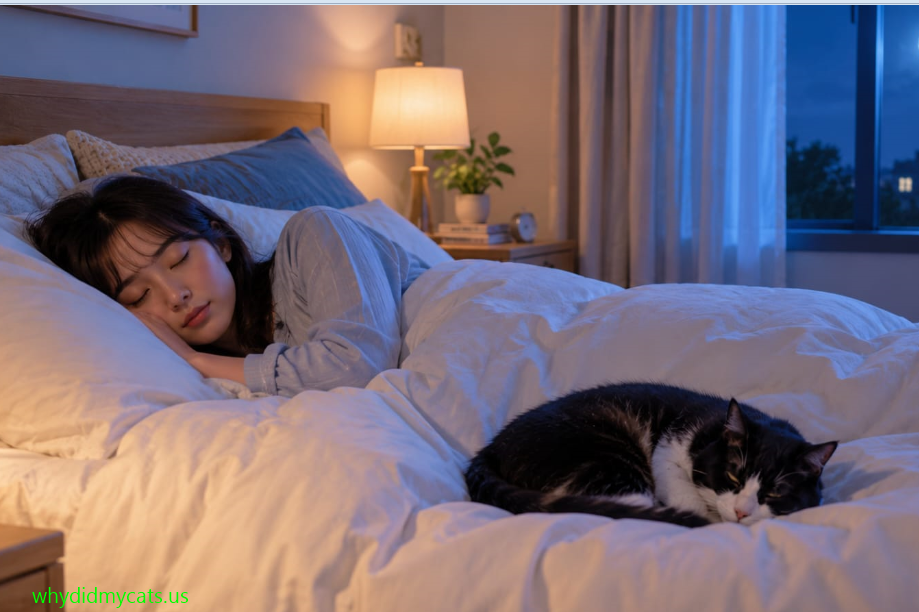
Nighttime symptoms can happen because cat allergens collect on bedding, pillows, mattresses, and upholstered furniture. If your cat sleeps in your bedroom, you may have prolonged exposure while resting.
Dust mites and other bedroom allergens can also contribute, so nighttime symptoms do not automatically confirm a cat allergy.
Try keeping your cat out of the bedroom, washing bedding regularly, cleaning surfaces with a damp cloth, and using a properly sized HEPA air purifier. If nighttime coughing, wheezing, or breathing difficulties persist, talk with a healthcare professional because allergies can aggravate asthma.
When Should You See an Allergist?
If your symptoms have disappeared and you feel well, there is usually no need to assume something is wrong. But seek professional advice when allergy symptoms repeatedly return, interfere with sleep, affect daily activities, or remain difficult to control.
An allergist can assess whether cats are the trigger or whether another condition is responsible. They may recommend allergy testing and discuss appropriate treatment, including medication or immunotherapy.
Do not ignore wheezing, chest tightness, or shortness of breath. These symptoms can indicate asthma or another respiratory problem. Severe breathing difficulty is a medical emergency.
FAQs
Is it possible for cat allergies to go away?
Yes, cat allergy symptoms can improve or disappear over time. However, the underlying sensitivity may remain, even when you no longer sneeze or experience itchy eyes around your cat. Some people experience lasting improvement, while others develop symptoms again after renewed or increased exposure.
Why did my cat allergy suddenly get worse?
Your symptoms might worsen after increased exposure to cat allergens, seasonal pollen, dust, or other indoor triggers. Changes in medication or an unrelated respiratory condition can also affect how you feel. If symptoms become severe, persistent, or affect your breathing, seek medical advice.
How long does cat dander stay in a house?
Cat allergens can remain in household dust, carpets, bedding, and furniture for weeks or months, depending on the environment and cleaning. Some allergens persist even after a cat leaves the home. Regular vacuuming with suitable filtration, damp dusting, and washing fabrics can help reduce allergen buildup.
Can you build a tolerance to cat allergies?
Some people experience reduced symptoms after repeated exposure, and allergy immunotherapy can build tolerance for certain patients. However, living with a cat does not reliably eliminate an allergy. Continued exposure can also cause persistent symptoms or worsen asthma, so do not use exposure as a substitute for medical treatment.
What kills pet dander in the house?
You generally need to remove or reduce allergens rather than rely on a product that supposedly kills them. Wash bedding and washable fabrics, vacuum carpets and upholstery with suitable filtration, damp-dust hard surfaces, and use a HEPA air purifier. No single cleaning method completely eliminates cat allergens.
Can I live with a cat if I have allergies?
Many people with mild cat allergies can live with a cat by combining practical cleaning measures, bedroom restrictions, and appropriate treatment. However, the right approach depends on symptom severity and whether asthma is involved. An allergist can help you manage your symptoms while considering your health and living situation.
Conclusion
If your cat allergies have gone away, your symptoms may have improved because of changes in allergen exposure, treatment, environmental triggers, or your immune system’s response. That is encouraging, but it does not guarantee that the allergy has permanently disappeared.
Keep your home clean, notice whether symptoms return, and seek professional advice when needed. You may be able to enjoy life with your cat more comfortably without assuming the allergy is completely gone.