
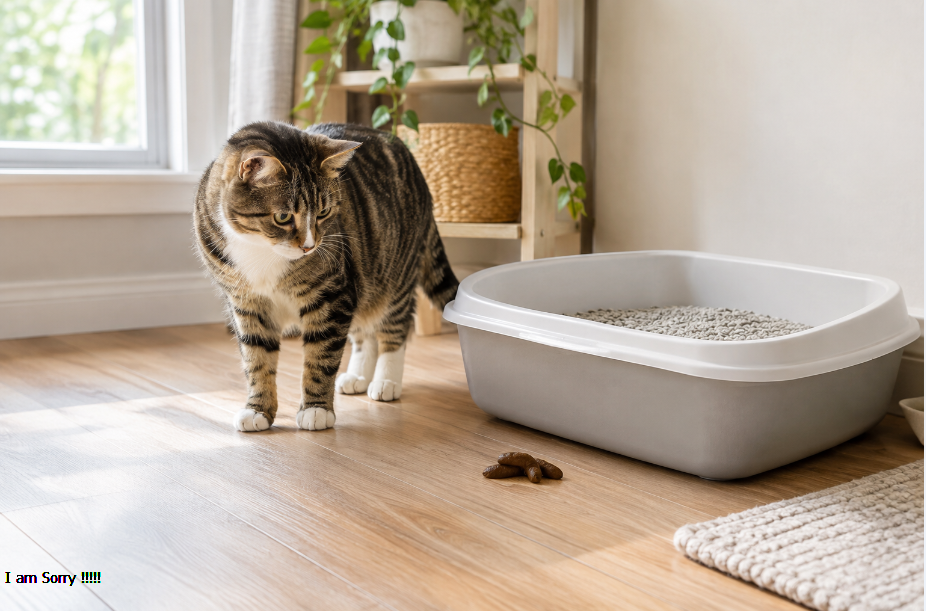
You scoop the litter box, keep it in the usual spot, and then find poop on the floor. If this happened once, you may be dealing with a one-off accident. If it keeps happening, though, your cat is giving you something worth investigating. Health problems, litter box preferences, stress, pain, and changes at home can all play a part.
Why Is My Cat Pooping Outside the Litter Box?
A cat that normally uses the litter box but suddenly stops is worth paying attention to. Sometimes the reason is obvious, such as a dirty box or a box that has become difficult to reach. Other times, the change starts with constipation, painful bowel movements, stress, or a new preference for another spot.
Look at what changed
Think back to when you first noticed the problem. Did the accidents begin after you changed the litter? Did another pet arrive? Has your cat started avoiding a particular room or using the floor right beside the box?
Those details matter because cats can develop litter box avoidance after a painful elimination experience or an unpleasant experience with the box itself. Medical problems can also make defecation uncomfortable or urgent.
Medical Reasons Your Cat May Avoid the Litter Box
Before treating this as a behavior issue, consider your cat’s health. A cat may stop using the box because pooping hurts, the stool has changed, or getting into the box has become difficult. Digestive problems and mobility issues are among the reasons veterinarians consider when a cat starts defecating elsewhere.
Constipation or diarrhea
Constipation can make passing stool uncomfortable. Diarrhea, intestinal inflammation, or other digestive problems can also change how often or urgently a cat needs to eliminate. If your cat seems to strain, produces unusually hard or loose stool, or suddenly changes bathroom habits, a veterinary check is sensible.
Pain and mobility
An older cat may know exactly where the litter box is but no longer find it easy to climb into. Arthritis or other mobility problems can make a high-sided box uncomfortable.
Watch how your cat approaches the box. Hesitating before stepping in, struggling with the entrance, or choosing a nearby spot may point toward an access problem rather than stubbornness.
Other health changes
Pay closer attention if the litter box problem comes with vomiting, appetite changes, weight loss, blood in the stool, repeated diarrhea, constipation, or obvious discomfort. These signs make a veterinary examination more important.
Litter Box Problems That Can Cause Pooping Outside the Box
Sometimes the problem really is the bathroom setup. Cats can be particular about where they eliminate, what they step on, and how easy the box is to enter and leave. A box can look perfectly fine to you while your cat has quietly decided that another place is more comfortable.
The box may be too dirty
Some cats are quick to reject a box containing waste. Regular scooping matters, especially when several cats share the same home.
The litter may have changed
Did you switch brands, fragrance, or texture recently? A cat that accepted the old litter may dislike the new one. Many cats prefer unscented litter, and sudden litter changes can contribute to avoidance.
The box or location may be wrong
A small box, a high entrance, a noisy laundry room, or a location where another pet can corner the cat can all create trouble.
If you have several cats, access matters even more. Cornell recommends providing one litter box per cat plus one extra, with boxes placed in different accessible areas.
Can Stress Make a Cat Poop Outside the Litter Box?
Stress can affect litter box habits, but it is better to look for the actual trigger than simply label the cat “anxious.” A move, new pet, unfamiliar visitors, household noise, conflict between cats, or a major change in routine can alter how secure a cat feels at home.
Check the timing
Suppose your cat started pooping beside the box shortly after you brought home another cat. Or perhaps the box was moved while you were rearranging the house.
Those details may be more useful than asking whether your cat is simply upset.
Even changes connected to daily life can matter. If your work schedule suddenly changed and feeding, playtime, or quiet time shifted, your cat may notice the difference.
Stress can also exist alongside a medical problem, so a behavior change should not automatically be blamed on the environment.
How Your Cat’s Age and Home Environment Can Matter
The same litter box setup does not work equally well for every cat. A young kitten, a healthy adult, and an older cat may have very different needs. Your home’s layout matters too. A box that is easy to reach from the living room may be much less convenient from an upstairs bedroom.
Kittens
Young cats need easy access to their litter box. If accidents happen repeatedly, keep the box nearby and make sure the kitten can get in without difficulty.
Adult cats
For an adult cat, look for changes. A new pet, a new litter, a different room arrangement, or a disrupted routine can be enough to change bathroom habits.
Older cats
Senior cats may have less flexibility or joint pain. A box with a lower entrance can make getting in easier. If an older cat suddenly starts having accidents, don’t assume age alone explains it; health problems should still be considered.
What the Location and Pattern of the Poop May Tell You
Where your cat leaves the poop can tell you more than you might expect. Pay attention to whether it is directly beside the litter box, always on carpet, or repeatedly found in one particular room. The pattern does not prove the cause, but it can point you toward what to investigate next.
Poop right beside the box
This is worth noticing. Your cat may still understand that the box is the bathroom area but dislike something about the box itself, the litter, or getting inside it.
Poop on carpet or another soft surface
Your cat may have developed a preference for that surface. If the same place is used repeatedly, clean it thoroughly and look at what makes that location attractive.
Poop in different places
Scattered accidents can have different explanations, including medical discomfort, stress, difficulty accessing the box, or broader litter box avoidance.
Keep track of where it happens, when it happens, and what the stool looks like. That information can be surprisingly useful when discussing the problem with your veterinarian.
What to Do When Your Cat Poops Outside the Litter Box
Don’t change six things on the same day and then wonder which one worked. Start with the basics and pay attention to your cat’s response. Check health first, then look at the box, litter, location, household changes, and the accident spot itself.
1. Check your cat’s health
Look for constipation, diarrhea, pain, blood, vomiting, appetite changes, or other unusual behavior. A sudden or persistent change deserves veterinary attention.
2. Make the box easier to use
Keep it clean and make sure your cat can reach it without passing through a frightening or busy area.
3. Reconsider the litter
If you recently changed litter, the change itself may be relevant. An unscented option is often worth considering, especially if the previous litter worked well.
4. Look at the box
A large cat may need more room. A kitten or senior cat may do better with lower sides. An uncovered box can also give some cats more visibility while they use it.
5. Give multi-cat homes more options
If one cat blocks another from reaching the box, adding boxes in separate areas can reduce that problem.
6. Clean the accident spot properly
Don’t just cover the smell with air freshener. Cats have a strong sense of smell, and remaining odors can encourage repeat use of an area. Thorough cleaning is part of breaking that cycle.
What Not to Do
Finding poop on the carpet after a long day is frustrating. Still, yelling at your cat will not explain why it happened. Cats do not generally leave feces outside the box as a calculated way to get revenge on their owners. Punishment can create fear and may make house-soiling problems harder to resolve.
Don’t punish your cat
Avoid hitting, yelling, frightening, or rubbing your cat’s face near the mess. Veterinary behavior guidance specifically advises against punishment for litter box mistakes.
Don’t keep moving everything around
If you constantly change the box, litter, and location, your cat gets no consistent setup and you lose track of what is helping.
Don’t focus only on the mess
The poop is the visible part of the problem. The more useful question is: Why did my cat choose this place instead of the litter box?
When Should You Take Your Cat to the Vet?
One isolated accident does not always mean your cat is sick. Repeated accidents, however, deserve more attention, particularly when they appear alongside changes in stool, appetite, weight, activity, or comfort. Cats can hide signs of illness, so a cat that otherwise looks normal may still need an examination.
Make the call sooner if you notice
- Straining or pain while pooping
- Repeated constipation or diarrhea
- Blood in the stool
- Vomiting
- Loss of appetite
- Weight loss
- Trouble walking or climbing into the box
- A sudden and persistent change in litter box habits
A veterinarian can assess your cat’s physical health and decide whether testing is needed. If medical causes are ruled out, behavioral or environmental factors can then be investigated more closely.
A Simple Litter Box Troubleshooting Checklist
When you’re staring at another pile on the floor, it helps to have a straightforward way to work through the possibilities. Go through the questions below rather than guessing at one cause. You may spot a recent change that seemed insignificant but lines up closely with when the accidents began.
Ask yourself
☐ Did the behavior start suddenly?
☐ Has your cat’s stool become hard, loose, unusually frequent, or painful to pass?
☐ Is the litter box being scooped regularly?
☐ Did you recently change the litter?
☐ Is the box large enough and easy to enter?
☐ Is it somewhere quiet and easy to reach?
☐ Can another cat or pet block access to it?
☐ Has anything changed at home recently?
☐ Does your cat always poop in the same place?
☐ Have you thoroughly cleaned previous accident spots?
☐ Is your cat showing any other health changes?
If the answers point toward a health problem, don’t try to solve it with litter changes alone. If the setup looks fine but the behavior continues, your veterinarian can help narrow down the cause.
FAQs
Do cats poop outside the litter box when mad?
Usually, no. It is not helpful to assume your cat is leaving poop outside the box as revenge. Stress can affect elimination, but medical discomfort, litter box problems, and changes at home are more useful places to start looking.
Why is my cat pooping on the floor even though the litter box is clean?
A clean box is only one part of the equation. Your cat may dislike the litter, box size, location, or access. Constipation, painful elimination, stress, or a preference for another surface can also play a role.
Should you punish your cat for pooping outside the litter box?
No. Punishment can increase fear and anxiety without addressing why the behavior started. Clean the area, check the litter box setup, look for health changes, and work on the underlying problem instead.
How do I solve my cat to stop pooping right outside of the litter box?
First, rule out health problems. Then check the box size, litter, cleanliness, location, and accessibility. If the poop is consistently right beside the box, that pattern may point toward something about the box itself that your cat dislikes.
Should I be worried if my cat poops outside the litter box?
A single accident may not be a major concern. Repeated or sudden accidents deserve more attention, especially with constipation, diarrhea, blood, vomiting, appetite changes, weight loss, pain, or mobility problems. In those situations, contact your veterinarian.
Conclusion
When a cat starts pooping outside the litter box, don’t stop at the mess itself. Check what changed, watch your cat’s bathroom habits, and look closely at the box, litter, location, and home environment. If the change is sudden, persistent, or comes with other health signs, involve your veterinarian. Finding the reason is the first step toward getting your cat back to a comfortable routine.