

Finding cat poop on your bed is unpleasant, especially when your cat normally uses the litter box. You might discover it after coming home from work, returning from vacation, or waking up in the morning.
Cats rarely do this to punish their owners. A bed accident usually points to a health concern, litter box problem, stress, or a preference for a different place to poop. Understanding what changed helps you choose the right solution.
Why Did My Cat Poop on My Bed? 7 Common Reasons
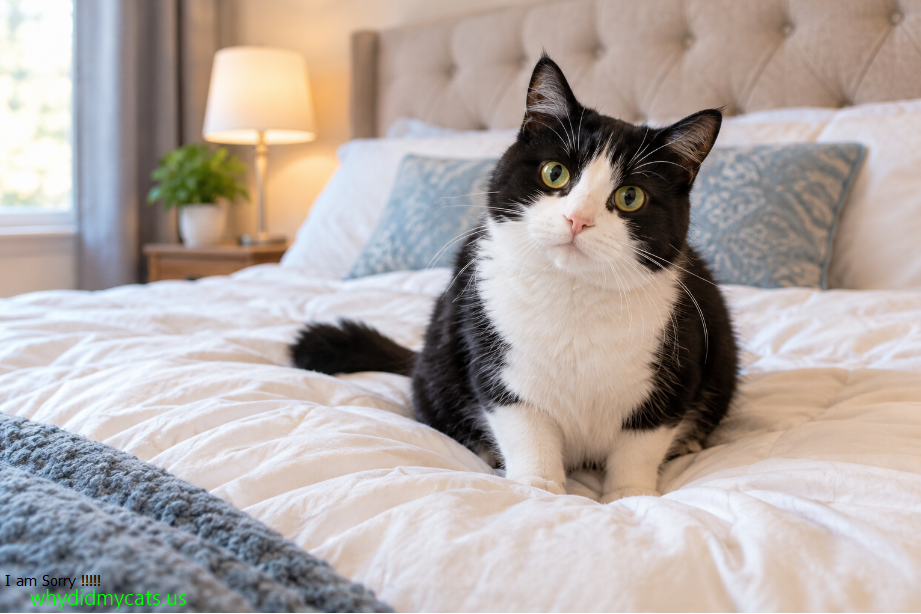
1. Your Cat Has a Digestive Problem
Constipation, diarrhea, intestinal inflammation, or other digestive problems can make pooping painful or urgent. Your cat might not reach the litter box in time or may begin associating the box with discomfort.
Check the stool for changes in consistency, blood, or mucus. Straining, vomiting, reduced appetite, and unusual tiredness are also important signs to report to your veterinarian.
2. Your Cat Dislikes the Litter Box
A dirty litter box, strongly scented litter, a cramped tray, or a noisy location can discourage your cat from using it. A box near a washing machine or in a busy hallway may feel uncomfortable when your cat needs privacy.
Keep the box clean, choose a roomy tray, and place it somewhere quiet and easy to reach. In a home with multiple cats, provide enough separate boxes to reduce competition. The usual recommendation is one box per cat, plus one extra.
For more help, read our guide on why cats poop outside the litter box.
3. Your Cat Is Stressed by a Change at Home
Cats depend on familiar routines. Moving to a new home, welcoming a baby, introducing another pet, or having visitors stay overnight can disrupt their sense of security.
A cat may also feel uneasy when another cat blocks access to the litter box. Give your cat a quiet retreat, keep feeding and litter routines consistent, and make sure every cat can reach essential resources without being cornered.
4. Your Cat Was Left Alone While You Were Away
Did you return from vacation or a long workday and find poop on your bed? Your absence might have coincided with stress, a disrupted routine, or a litter box that became too dirty.
However, the timing alone does not prove that loneliness caused the accident. Check whether someone cleaned the box while you were away, whether your cat had enough access to it, and whether the behavior continues after your normal routine returns.
5. Your Cat Has Pain or Difficulty Reaching the Box
Older cats and cats with arthritis or other mobility problems may struggle to climb into a high-sided litter box. Digestive pain can also make squatting uncomfortable.
A low-entry litter box in an accessible location may help. If your cat suddenly starts pooping on the bed, has trouble walking, strains during bowel movements, or reacts painfully when handled, arrange a veterinary examination.
6. Your Cat Prefers the Soft Surface
Some cats develop a preference for soft surfaces such as blankets, laundry, carpets, or bedding. This can happen after a negative experience with the litter box or when the preferred litter texture changes.
Wash the bedding thoroughly, temporarily keep your cat out of the bedroom, and make the litter box more appealing. If your cat also poops on clothing, our article on why cats poop on their owner’s clothes covers a related behavior.
7. Your Cat Has Learned to Use That Spot
After an accident, a lingering odor or an established surface preference may encourage your cat to return to the same place. This does not mean your cat is being spiteful.
Clean the mattress and bedding thoroughly, block access while you address the cause, and keep the litter box inviting. Repeated accidents deserve attention rather than punishment.
Why Did My Cat Poop on My Bed While I Was in It?
If your cat pooped on the bed while you were sleeping or sitting there, the situation can feel deliberate. But being present does not mean your cat intended to upset you.
Your cat might have felt an urgent need to poop, struggled to reach the litter box, or avoided the box because of discomfort or stress. Note whether the stool was normal, whether your cat seemed distressed, and whether similar accidents happen elsewhere.
How Do I Stop My Cat From Pooping on My Bed?
Start by addressing the reason rather than simply trying to keep your cat away from the bed.
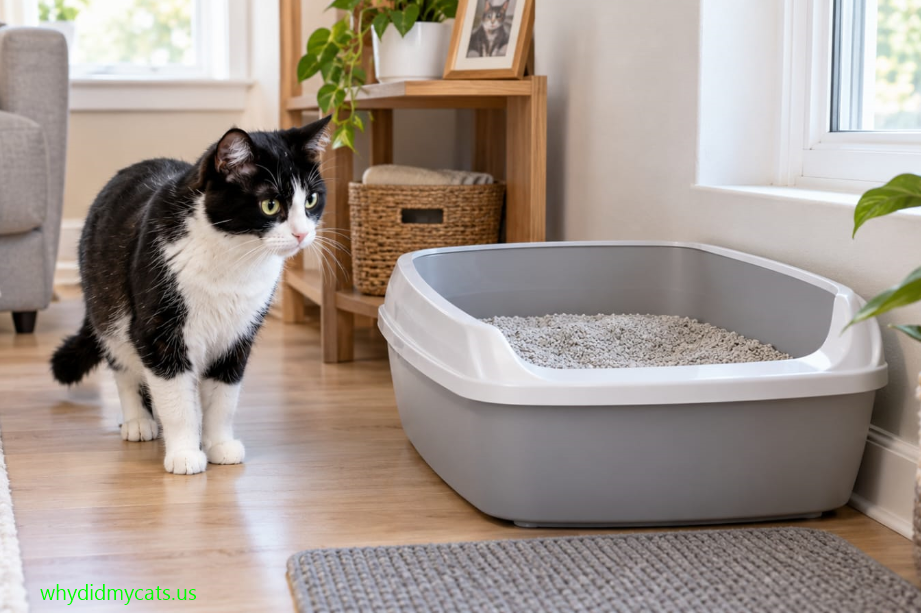
- Arrange a veterinary check for sudden or repeated accidents, especially when stool or behavior has changed.
- Scoop the litter box daily and keep it in a quiet, accessible location.
- Provide suitable litter boxes with enough space and an easy entrance.
- Clean the accident thoroughly to remove lingering odor.
- Keep the bedroom door closed temporarily while you work on the problem.
- Avoid punishment. Shouting, rubbing your cat’s nose in the mess, or frightening them can increase stress without teaching them to use the litter box.
How Do I Clean My Bed if My Cat Pooped on It?
Put on disposable gloves and remove the solid waste with paper towels. Avoid rubbing it into the fabric.
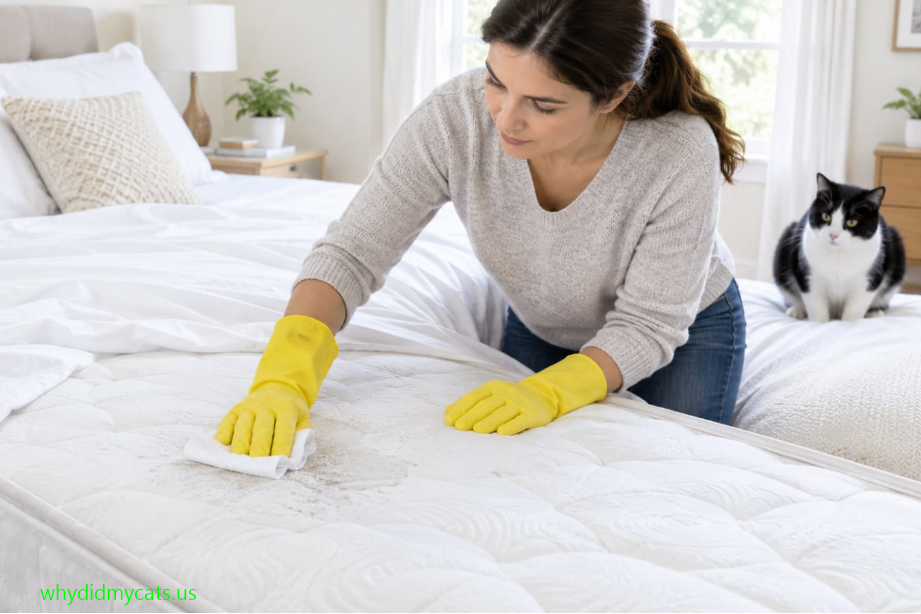
Wash removable bedding according to its care label. For a mattress, gently blot the affected area with a suitable fabric cleaner, following the product directions. An enzyme-based pet-waste cleaner may help break down remaining organic residue. Test it on a hidden area first and avoid soaking the mattress.
Let everything dry completely before replacing the bedding. Keep your cat away from wet cleaning products until the area is safe.
When Should I Call a Veterinarian?
Book a veterinary appointment if your cat starts pooping on the bed unexpectedly, repeats the behavior, or has a change in bowel habits.
Seek prompt veterinary care if your cat repeatedly strains without producing stool, appears painful, vomits alongside constipation, becomes very lethargic, or has significant blood in the stool. Straining can have serious causes and should not be dismissed as a behavior problem.
Your veterinarian may ask about stool consistency, appetite, recent household changes, litter box setup, and how often accidents occur. Depending on the findings, they may recommend an examination or diagnostic tests.
Frequently Asked Questions
Are cat owners responsible for fouling?
Not necessarily. A cat pooping outside the litter box is not proof of poor ownership. Medical problems, stress, an unsuitable litter box, or difficulty reaching it can all contribute. Owners can help by keeping the box clean, providing an appropriate setup, and seeking veterinary advice when the behavior starts or continues.
How do I stop a cat pooping on my bed?
First, rule out medical causes, particularly when the behavior begins suddenly. Keep the litter box clean and accessible, reduce household stress, clean the bedding thoroughly, and temporarily close the bedroom door. Avoid punishment because it can increase fear without solving the underlying problem.
How do I clean my bed if my cat pooped on it?
Remove the solid waste with gloves and paper towels without rubbing it into the fabric. Wash the bedding according to its care label. Blot the mattress with an appropriate cleaner or enzyme-based pet-waste product, following the directions. Let the mattress dry completely before using it again.
What smells deter cats from pooping?
There is no single smell that reliably prevents cats from pooping in the wrong place. Strong fragrances do not solve the underlying cause and can make the area unpleasant or stressful. Thoroughly remove waste odors, make the litter box more appealing, and investigate medical or environmental reasons for the behavior.
What is a smell that cats absolutely hate?
Cats vary in how they respond to smells, so no odor is universally hated by every cat. Strong perfumes, citrus scents, and certain cleaning products can bother some cats. Do not use essential oils or harsh substances as deterrents; some can be harmful to cats. Focus on cleaning and correcting the cause instead.
Conclusion
If your cat poops on your bed, look beyond the mess. Digestive discomfort, litter box problems, stress, and surface preferences can all play a role. Clean the area thoroughly, improve litter box access, and contact your veterinarian when accidents are sudden, repeated, or accompanied by signs of illness. Finding the cause is the best way to prevent another accident.