

Finding cat urine on your clothes, blanket, or body can be surprising, especially when your cat was calmly sitting beside you. Cats don’t usually pee on their owners out of revenge. Stress, fear, urine marking, litter box problems, and medical conditions are more likely explanations.
The reason depends on what happened before the accident. A cat who pees when picked up may be frightened or uncomfortable, while one who repeatedly urinates on your bed may be avoiding the litter box or dealing with a urinary problem.
Why Did My Cat Pee on Me? 7 Possible Reasons
1. Stress or Fear
Cats may urinate when they feel frightened or trapped. Being picked up unexpectedly, hearing loud noises, meeting unfamiliar visitors, or living with a new pet can trigger a stress response.
For example, a cat that feels secure around you might still panic when a child grabs it or when a stranger tries to hold it. Give your cat room to move away instead of forcing contact.
2. Urine Marking or Territorial Behavior
Cats sometimes spray urine to mark territory, especially when another cat makes them feel threatened. A new pet, an unfamiliar cat outside the window, or changes in the household can contribute to this behavior.
Spraying usually involves a small amount of urine released while the cat stands with its tail raised, often onto a vertical surface. A large puddle on your lap or blanket is less typical of spraying and deserves further investigation.
3. Urinary Problems or Pain
Bladder inflammation, urinary stones, and other urinary conditions can make urination painful or urgent. Your cat might suddenly pee somewhere unusual because reaching the litter box becomes difficult or uncomfortable.
Watch for frequent litter box visits, crying during urination, blood in the urine, or excessive licking around the genital area. Increased thirst and urination can also occur with conditions such as diabetes or kidney disease.
Contact your veterinarian promptly for new or repeated accidents. If your cat strains but produces little or no urine, seek emergency veterinary care immediately. A urinary blockage is life-threatening, particularly in male cats.
4. Litter Box Problems
A dirty box, scented litter, a noisy location, or difficult access may cause a cat to avoid its usual bathroom. In homes with multiple cats, another cat might also block the route to the litter box.
Keep the box clean and place it somewhere quiet and accessible. A common guideline is to provide one litter box per cat, plus one extra. Older cats may also need a box with lower sides if climbing in has become uncomfortable.
5. Accidental Urination or Loss of Bladder Control
If your cat leaves a wet patch on your lap or blanket while resting, it might not have deliberately chosen that spot. Urine leakage during sleep or an inability to control urination can be associated with medical problems.
Notice whether your cat seems aware of the accident and whether wet patches appear where it has been lying. Arrange a veterinary examination rather than assuming the behavior is intentional.
6. Hormonal Behavior in an Unneutered Cat
Unneutered male cats are more likely to urine-mark, especially when other cats are nearby. Female cats in heat may become more vocal, restless, and affectionate, but peeing directly on an owner is not a reliable sign of heat.
Both male and female cats can develop urinary problems or stress-related toileting behavior. Ask your veterinarian whether spaying or neutering is appropriate, and don’t assume hormones are the only explanation.
7. Changes in the Home or Daily Routine
Moving, bringing home a baby, introducing another pet, or changing your work schedule can unsettle a cat. Even moving food bowls or the litter box to a different room can affect a cat that prefers a predictable environment.
Keep meals and playtime consistent, provide hiding places, and let your cat approach people at its own pace.
Why Did My Cat Pee on Me While I Was Sleeping?

Your cat might have urinated on your pajamas, blanket, or bed while you were asleep. A soft surface, litter box avoidance, stress, or urinary discomfort could explain the accident. For repeated accidents on bedding, see why your cat may be peeing on your bed.
There’s also a difference between a cat deliberately squatting to urinate and a cat leaving a wet patch while sleeping. The second situation raises concern about urine leakage or a medical problem.
Wash the affected bedding and use a pet-safe enzymatic cleaner to remove urine residue. If this behavior is new or happens again, arrange a veterinary check.
Why Did My Cat Pee on Me When I Picked Him Up?

Your cat may have been frightened, uncomfortable, or experiencing urinary urgency. A cat with a painful bladder or another health issue may react badly to being lifted, especially if its abdomen is pressed.
Put your cat down gently and avoid picking it up repeatedly to test the reaction. If it cries, hides, resists being touched, or has other unusual bathroom habits, contact your veterinarian.
Why Did My Male or Female Cat Pee on Me?
A male cat may urine-mark in response to other cats or stress, particularly if he isn’t neutered. A female cat in heat may show behavioral changes, but those changes don’t automatically explain an urination accident.
Both sexes can experience urinary disease, fear, and litter box aversion. Your cat’s sex provides useful context, but it doesn’t establish the cause. Sudden or repeated accidents deserve attention regardless of whether your cat is male or female.
How Do I Stop My Cat From Peeing on Me?
Start by identifying when the accident occurs. Does your cat pee while being held, on your bed overnight, or after a change at home? The pattern can help you and your veterinarian narrow down the cause.
- Don’t punish your cat. Yelling or physical punishment can increase fear and stress.
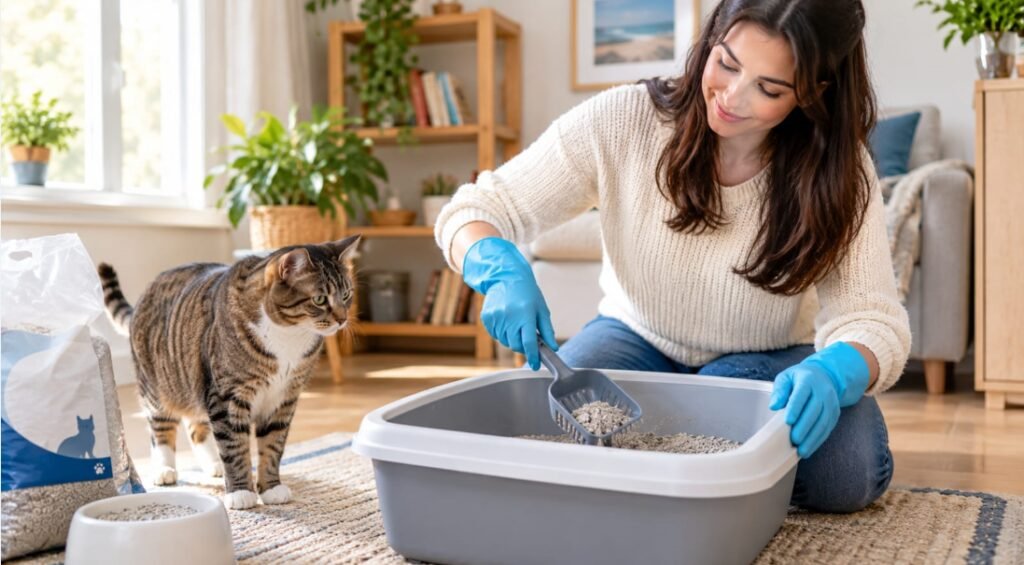
- Keep the litter box clean and accessible. Check for changes in litter, location, or access.
- Clean affected items thoroughly. Use a pet-safe enzymatic cleaner designed for urine.
- Reduce stress. Maintain a predictable routine and give your cat safe places to rest.
- Notice other changes. Increased thirst, reduced appetite, or repeated litter box visits can help identify a health problem.
If your cat is also urinating on clothing or other belongings, read about why your cat may be peeing on your clothes for related causes and prevention tips.
When Should I Take My Cat to the Vet?
Arrange a veterinary appointment if your cat suddenly starts peeing on you, has repeated accidents, passes blood in its urine, appears uncomfortable, or drinks and urinates more than usual. Your veterinarian may examine your cat, test a urine sample, and recommend blood work or imaging depending on the symptoms.
Seek emergency care if your cat repeatedly strains but produces little or no urine, cries in pain, or becomes severely unwell. Don’t wait for a suspected urinary blockage to resolve on its own.
Appetite changes can also be important when a cat’s behavior changes. If your cat is eating less or has stopped eating, read why your cat may have stopped eating and contact your veterinarian for advice.
Frequently Asked Questions
Why did my cat pee in my bed with me in it?
Your cat may have been stressed, avoiding the litter box, marking territory, or experiencing urinary discomfort. Your presence on the bed doesn’t necessarily mean the behavior was directed at you. If it happens repeatedly or starts suddenly, arrange a veterinary assessment.
What are the symptoms of cat urine exposure?
Wash skin exposed to cat urine with soap and water and change contaminated clothing. Brief contact with a small amount of urine usually doesn’t cause serious harm to a healthy adult. Strong odors can irritate the eyes or airways, especially in poorly ventilated spaces. Seek medical advice for persistent irritation or breathing difficulties.
Why did my cat pee on the blanket in front of me?
Your cat might have been marking territory, reacting to stress, avoiding an unpleasant litter box, or experiencing urinary urgency. A soft blanket can also become a repeated toileting spot after an earlier accident. Clean it thoroughly, avoid punishment, and consult a veterinarian if the behavior is new or recurring.
Why did my cat pee on my husband?
Your cat might feel anxious around your husband, react to a scent or household change, or have a urinary problem unrelated to either person. Consider what happened just before the accident, including handling or loud activity. Avoid forcing interaction and seek veterinary advice if it happens repeatedly.
Why did my cat suddenly pee on me?
A sudden accident can follow a stressful event, a litter box change, or the onset of a urinary condition. Bladder inflammation can create urgency even in a cat that has always used its litter box reliably. Arrange a veterinary assessment, especially if you notice pain, blood, or repeated attempts to urinate.
What smell do cats hate to pee on?
No particular smell reliably stops every cat from urinating in a spot. Strong fragrances, essential oils, and harsh cleaners can irritate cats and aren’t good deterrents. Use a pet-safe enzymatic cleaner, keep the litter box inviting, and address the reason for the behavior rather than trying to mask the odor.
Final Thoughts
When your cat pees on you, the cause is more likely to be stress, urine marking, litter box trouble, or a health problem than revenge. Look at when it happens, clean the affected area, and avoid punishment. Arrange a veterinary check for new or repeated accidents, and treat straining with little or no urine as an emergency.